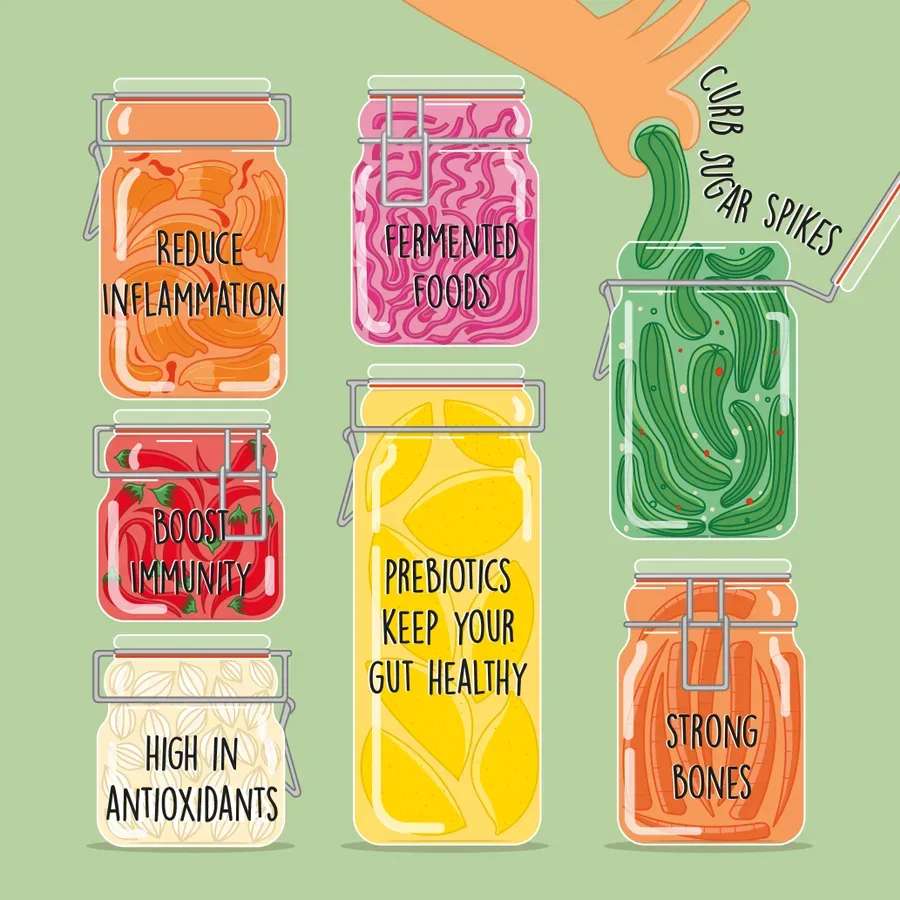
Fermented ingredients
Kimchi, pink kraut, kefir, live kombucha. Cultures that act as probiotics, helping your gut microbiome stand up to the less friendly guests.
The enteric nervous system in the gut is the largest complex nervous system we have outside the skull. It talks back to your actual brain every minute of the day, shaping mood, focus, immunity, sleep, appetite. What you eat is not separate from how you feel.
Your gut, the whole gastrointestinal tract from mouth to elsewhere, depends on the balance of bacteria living inside it. Microbiome is the word scientists use. The mix shifts with everything you eat, drink, sleep, and worry about.
Around 90% of your body's serotonin, the mood-regulating neurotransmitter, is produced in the gut. When the gut is out of balance, the whole system feels it. Anxious afternoons, foggy mornings, the post-lunch slump. Not always coincidence.
The research points the same way again and again. Eat a wide variety of plants each week. Include fermented foods often. Minimise refined sugar, seed oils, and ultra-processed everything. Soak or sprout your pulses when you can. Sleep properly. Stress less where you have the choice.
Kimchi, pink kraut, kefir, live kombucha. Cultures that act as probiotics, helping your gut microbiome stand up to the less friendly guests.
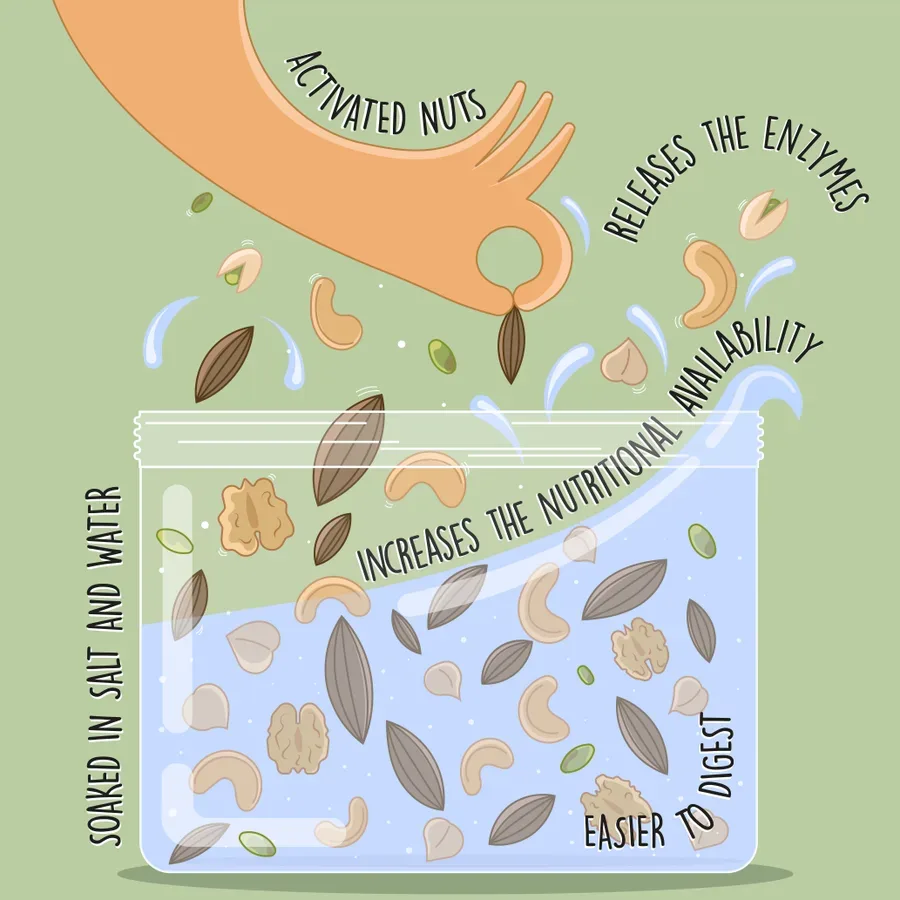
Nuts, seeds, pulses and grains rested in water overnight or sprouted over days. Easier to digest, more minerals available, gentler on the gut wall.
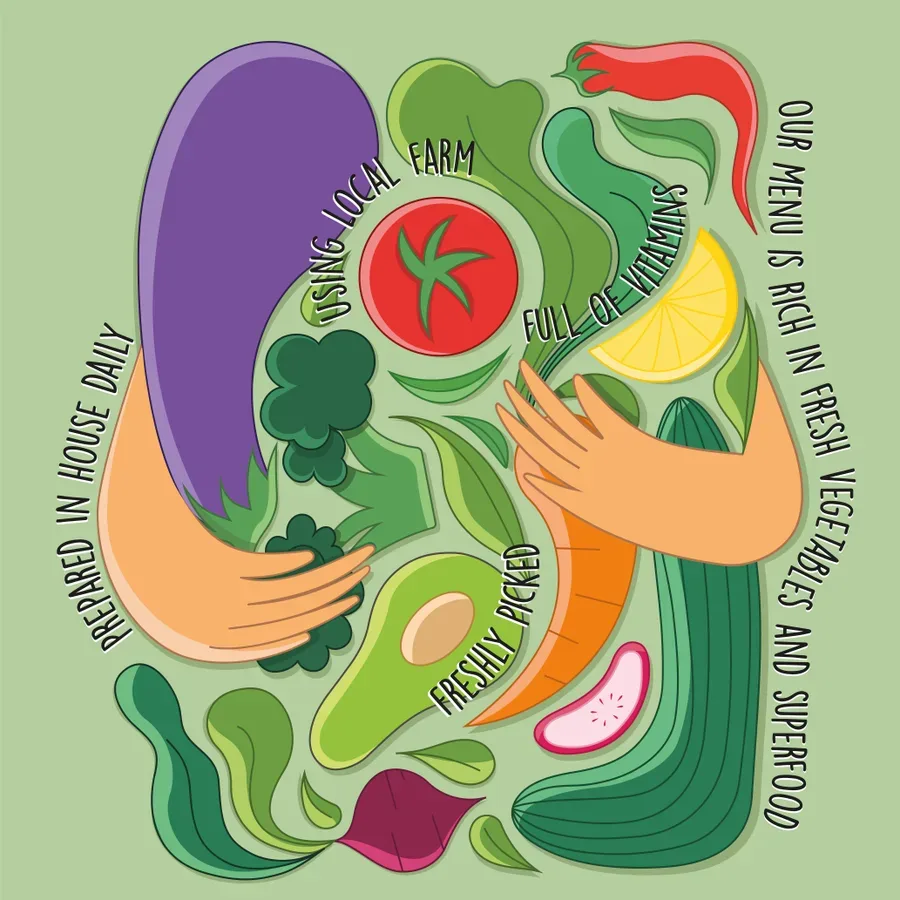
The fibre that feeds the probiotics. A rainbow spread of vegetables and pulses gives the microbiome more to work with, across more strains.
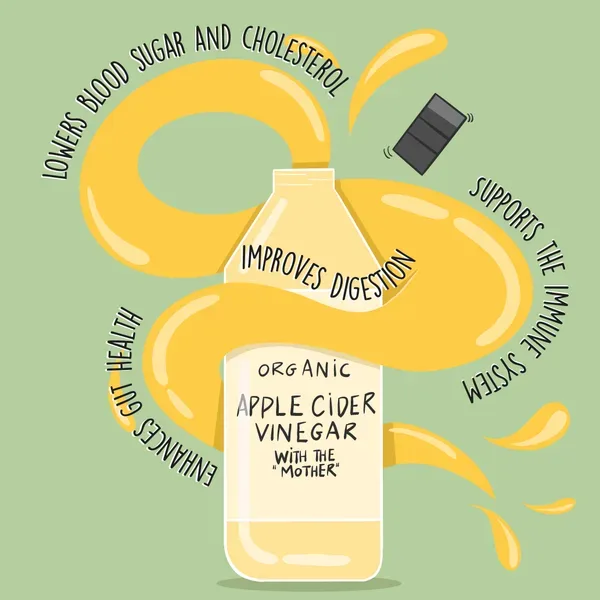
Unfiltered, unpasteurised, with the mother intact. Quietly doing its job across most of our salads and a few of the bowls.